

If you’re trying to conceive — or you’re kneedeep in IVF — you’ve probably spent more time researching fertility than you ever planned to. Hormones, supplements, diets, egg quality, implantation tips… it’s basically a parttime job you didn’t apply for.
You might feel like you know everything… and yet still feel completely unsure about what actually matters for your body.
A lot of people say to me:
“I’ve read everything… but I still don’t know what I should be doing.”
If that’s you — you’re not failing. You’re just drowning in information.
That’s exactly where a fertility dietitian comes in.
Fertility nutrition isn’t just “eat well and take a prenatal”
Eating well absolutely matters — but fertility nutrition goes well beyond generic healthy eating advice and a supermarket prenatal.
People come to fertility care with wildly different starting points:
- different medical histories
- different diagnoses (or the everfun “unexplained”)
- different diets, tolerances, and lifestyles
- and very different stages — TTC, prepping for IVF, or right in the thick of treatment
Research shows that what helps one person may do very little for another. Which explains why following everyone’s advice at once usually leads to confusion, frustration, and a kitchen full of halfused supplements.
A fertility dietitian’s job isn’t to give you more rules. It’s to help you work out what actually applies to you — and what you can safely stop worrying about.
Why blood tests matter (even if your diet is “pretty good”)
One of the most common things I hear is:
“I eat well — so I don’t understand why nothing is changing.”
Totally fair question.
The thing is, you can’t always tell what’s happening nutritionally just by looking at your plate. You might be eating a balanced diet and still have low iron stores, low vitamin D, or suboptimal B12 or folate — all of which can influence reproductive health.
This is where blood tests (pathology) earn their keep. They remove the guesswork and let nutrition advice be based on your actual needs, not assumptions or “just in case” strategies.
Targeted changes > random supplement roulette. Always.
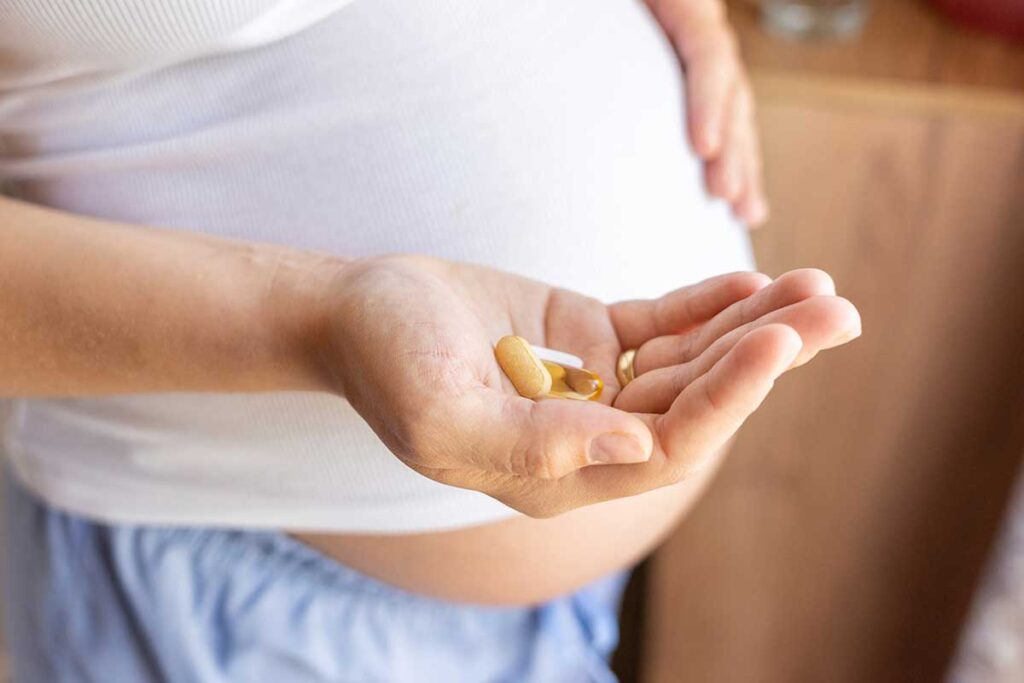
Supplements: helpful… or just a lot?
If you’ve spent any time in fertility spaces online, you’ve probably seen supplement lists that look like someone tipped a healthfood store into a basket.
It’s very common for people to be taking:
- multiple antioxidants
- hormone support supplements
- “egg quality” blends
- plus a few extras someone swore by on a forum
…and still feel unsure if any of it is doing anything at all.
Here’s the reassuring truth: supplements can help — but they don’t help everyone, and they don’t help all the time.
The research shows mixed results, which usually means supplements work best when they’re used intentionally, for a clear reason, at the right time.
A fertility dietitian helps you:
- understand why you’re taking something
- work out what’s actually worth keeping
- and gently break up with the rest
Often, simplifying is just as powerful as adding more — and a lot kinder on your brain.
IVF and nutrition: what actually helps (and what you can ignore)
When you’re going through IVF, it can feel like suddenly everything matters. What you eat. What you supplement. What you did three months ago. What you didn’t do sooner. That one coffee you’re now sideeyeing.
No wonder IVF nutrition advice can feel overwhelming.
Here’s the calm, unsexy truth: nutrition can support IVF — but it’s not about doing everything perfectly. It’s about focusing on the things most likely to make a difference for you, at the right time.
Targeted support beats “do all the things”
Yes, nutrition plays a role in things like hormone production, egg development, endometrial health, and implantation. But the key word here is targeted.
Some nutrients are involved in progesterone production. Others support cell health or help manage inflammation. That doesn’t mean everyone needs the same protocol — or highdose supplements — or a cupboard that rattles when you open it.
IVF nutrition works best when it’s personalised and purposeful, not trenddriven or panicfuelled.
More isn’t better — especially during treatment
One of the biggest IVF nutrition myths is that “doing more” improves your chances.
In reality, piling on supplements without a clear reason can:
- increase stress (already doing plenty of that)
- cause unnecessary side effects
- and occasionally work against what you’re trying to support
A fertility dietitian’s role during IVF is often to simplify, not complicate — helping you focus on what’s relevant now, and letting go of the rest without guilt.
Food still matters — but perfection absolutely doesn’t
During IVF, nutrition isn’t about superfoods, rigid rules, or eating “perfectly”.
It’s about creating a steady, nourishing baseline that supports your body through a physically and emotionally demanding process.
That usually looks like:
- eating regularly
- fuelling your body well
- avoiding unnecessary restriction
No hacks. No food fear. Just consistency.
Boring? Maybe. Supportive? Very.
You don’t need to “hack” implantation
IVF is intense enough without feeling like you need to eat specific foods on specific days to make it work.
Despite how often they pop up online, many IVF “hacks” (yes, pineapple included 🍍) aren’t supported by evidence.
What matters far more is:
- adequate nutrient availability
- supporting hormone production where needed
- managing inflammation sensibly
- and reducing unnecessary stress around food
Personalised guidance gives you permission to stop overthinking — which, honestly, is half the benefit.
The goal: support, not pressure
IVF nutrition isn’t about controlling the outcome. It’s about supporting your body as best you can, in a way that feels realistic and sustainable.
A fertility dietitian helps you:
- work out what’s worth focusing on right now
- align nutrition with your treatment stage
- avoid supplement overload
- and feel more confident that you’re doing enough
Not everything needs to be optimised.
Often, calm consistency beats perfection.
Common fertility nutrition myths (you can stop worrying about these)
“Eating pineapple helps implantation”
Popular online. Unsupported by evidence. Eat pineapple if you enjoy it — not as a fertility strategy.
“Soy is bad for fertility”
Not supported by human studies. In IVF populations, soy intake has been associated with better outcomes, not worse. Context > fear.
“All antioxidants improve egg quality”
Sometimes helpful, sometimes not. This is exactly why personalised advice matters.
“There’s a perfect fertility diet”
There isn’t. Fertility nutrition is about enough, done consistently — not perfection.
So… what does a fertility dietitian actually do?
In simple terms, a fertility dietitian helps you:
- make sense of fertility nutrition research
- understand your blood results
- reduce supplement overwhelm
- focus on what matters now
- and feel calmer and more confident in your choices
It’s structured, evidencebased support — delivered in a way that’s practical, realistic, and very human.
Final Thoughts
Fertility nutrition isn’t about hacks, superfoods, or doing everything “right”. It’s about clarity, reassurance, and having a plan that actually fits your life.
With the right guidance, nutrition can feel grounding and empowering — not like another thing you have to get perfect.
If you’re unsure where to start or want a personalised fertility nutrition pathway, I’d love to guide you. Feel free to reach out through the contact page on my website.
Frequently Asked Questions
 Are All Fertility Supplements Created Equal?